
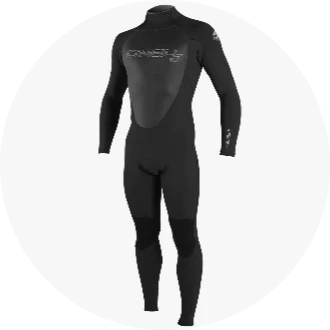
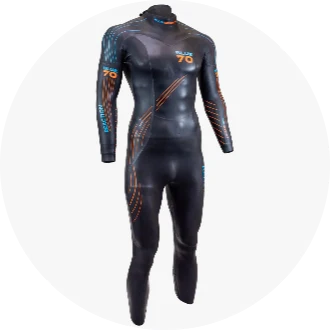
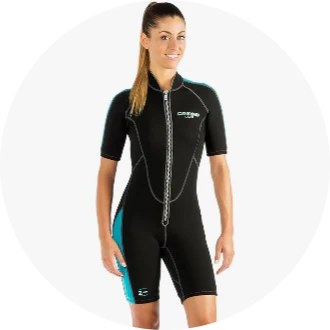
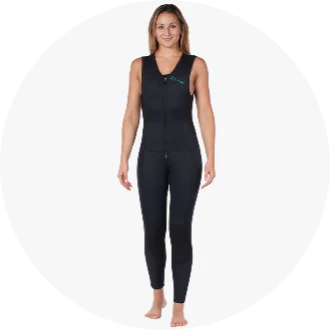
Choosing a wetsuit for swimming comes down to three decisions: the water temperature, the kind of swimming you do, and sleeve length. Match the thickness to the water first, then pick the cut, then dial in the fit.
Wetsuit Thickness by Water Temperature
-
Above 78°F: Wetsuits are not permitted in USAT-sanctioned triathlons at this temperature, and most swimmers overheat in one. A swimskin or open water tech suit is the race-day option here.
-
70°F to 78°F: A thin 1.5mm to 2mm sleeveless wetsuit adds buoyancy without heat buildup. Many swimmers skip the suit entirely at the warm end of this range.
-
62°F to 70°F: The standard swimming and triathlon range. A 2mm to 3mm suit in sleeveless or full sleeve keeps you warm through a long open water session or a full race swim.
-
55°F to 62°F: Full sleeve, 3mm to 4mm. Cold enough that exposed arms sap heat quickly, so full coverage matters more than shoulder freedom.
-
Below 55°F: A 4mm to 5mm cold water wetsuit with a thermal lining, paired with a neoprene hood, gloves, and booties. Keep sessions short and build cold water exposure gradually.
Triathlon, Open Water, and Cold Water Wetsuits
-
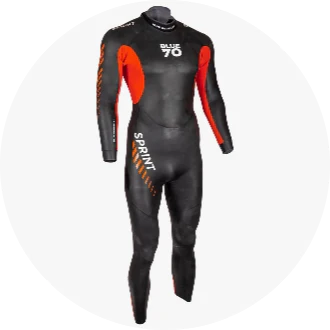
Triathlon wetsuits: Built for speed and a fast transition. Maximum buoyancy through the hips and legs lifts your body position, 1mm to 2mm shoulder panels keep the stroke unrestricted, and quick-release ankle and wrist cuffs come off in seconds at T1. Pair one with the rest of your race kit at triathlon gear.
-
Open water swimming wetsuits: A more balanced build for training rather than racing. Moderate buoyancy for a natural body position, durable neoprene that holds up to frequent long swims, and a comfortable neckline for hours in the water.
-
Cold water wetsuits: Thicker 4mm to 5mm neoprene with a thermal fleece lining, cut to work with a hood, gloves, and booties for winter open water swimming and cold water conditioning.
Sleeveless vs Full Sleeve
A sleeveless wetsuit gives the most shoulder freedom and runs coolest, the pick for warm water and swimmers who feel restricted by sleeves. A full-sleeve wetsuit adds warmth, more buoyancy, and a smoother line through the water, which is why most triathletes and cold water swimmers choose full sleeve once the water drops below the mid-60s.
Fit and Sizing
A swimming wetsuit should fit like a second skin with no gaps at the neck, lower back, or crotch, since trapped water pools there and drags. Size by the height and weight chart rather than by swimsuit size, and expect it to feel snug when dry; neoprene relaxes once wet. You should be able to lift both arms overhead without the chest pulling down. See men's wetsuits and women's wetsuits for gender-specific cuts and size charts.
Care and Chafe Prevention
Smooth coated neoprene is fast but tears easily, so pull the suit on with your fingertips, never your fingernails. Rinse in fresh water after every swim, dry it inside out away from direct sun, and store it flat or on a wide hanger. Apply an anti-chafe lubricant at the neck, wrists, and ankles before long swims. For sighting in open water, pair your wetsuit with a pair of open water swim goggles.