
Raising a Confident Swimmer: What Babies, Toddlers & Young Athletes Need in the Water
December 19, 2025

Watching your child discover the water for the first time is one of those unforgettable parenting moments—equal parts adorable splashing, excitement, and questions about what in the world to buy. Whether you’re prepping for your baby’s first swim, getting your toddler ready for swim lessons, or helping your child join their very first swim team, having the right gear can make every experience safer, easier, and a lot more fun.
This guide walks you through what kids need for swimming for the first time, tailored by age and stage. You’ll find practical tips, parent-tested gear suggestions, and helpful context—not just lists—so you can feel confident heading to the pool.
Infants (6–36 months): Creating a Positive First Experience in the Water

Your baby’s first swim is less about learning strokes and more about creating comforting, sensory-rich moments in the water. Parents often wonder what to bring for baby’s first swim or which swim essentials for infants matter most. Thankfully, you don’t need much—just the right basics.
A soft, comfortable infant swimsuit and a well-fitted swim diaper are the core pieces of infant swimwear essentials for beginners. A reusable or disposable swim diaper keeps the pool clean and your little one comfortable; many parents find this becomes their most crucial baby swim diaper guide takeaway. If you’ll be swimming outdoors, prioritize sun protection with a rash guard, a wide-brimmed hat, and baby-safe sunscreen. A cozy hooded towel makes getting out of the pool warm and easy.
Toys—like floating ducks or colorful boats—aren’t necessary but add a delightful layer of play that helps babies feel more relaxed.
Most important, though, is you. Many families join parent-child swim programs to learn safe, developmentally appropriate ways to hold, move, and play with their baby in the water. These early experiences aren’t about “teaching swimming” but about connection, sensory exploration, and bonding. Keep the focus on joy and gentle discovery, not performance.
Toddlers (3–5 years): Building Confidence Through Swim Lessons

This is the age when many parents start wondering what toddlers need for swim lessons or how to prepare a toddler for swim class. Toddlers thrive when they feel comfortable and confident, and the right gear helps make each lesson feel like an adventure.
A secure, well-fitting swimsuit gives them freedom to move and play, while a rash guard or sunscreen keeps their skin protected during outdoor lessons. As toddlers begin putting their faces in the water, many parents explore toddler swimming essentials like goggles. The key is fit: comfortable goggles can help reduce hesitation, but ones that leak or slide become a distraction. If your toddler can’t stop adjusting them, it’s better to skip them for now.
Swim caps aren’t required at this age but can help keep hair out of their eyes. Deck shoes protect little feet from slippery pool decks, and giving your toddler their own small swim bag helps build independence and excitement.
This stage is all about exploration—blowing bubbles, floating, kicking, and learning how their bodies move in water. Keep the focus playful and encouraging. Toddlers learn best when they feel safe, supported, and free to enjoy the experience.
Shop Kids Swimsuits & Swimwear
Little Kids (6–12 years): Growing Skills and Refining Technique

As kids grow, many begin strengthening skills, swimming laps, and learning proper technique in a more structured environment. This is when parents often search for essential swimming gear for children or the best swim gear for kids of all ages, especially if lessons become more frequent.
A quality, chlorine-resistant swimsuit designed for regular use helps kids feel comfortable and confident during practice. Goggles become more important at this stage, allowing kids to see underwater and maintain better form without irritation. Swim caps help reduce drag and keep hair out of their face, especially for long-haired swimmers.
Some families choose to add training tools—like kickboards or pull buoys—to support practice at home or during open swim. They’re not required, but they can reinforce skills learned in class. A microfiber towel, sturdy swim bag, and hydration bottle make pool days easier and more organized.
At this age, it’s less about competition and more about consistency and enjoyment. Celebrate milestones—swimming a full lap, floating independently, or mastering side breathing. Each of these moments builds confidence that carries far beyond the pool.
Joining the Swim Team: Preparing for Your Child’s First Swim Season
When your child decides to join a swim team, it marks a huge step forward in their swimming journey. Parents often begin looking for kids’ first swim team checklists, beginner swim team gear for kids, or how to prepare your child for swim team—and for good reason. The shift from lessons to team practice brings new routines, new expectations, and new gear needs.
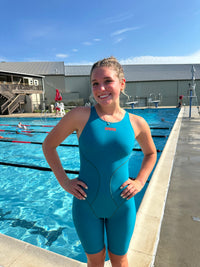
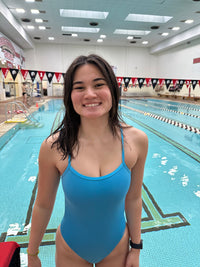
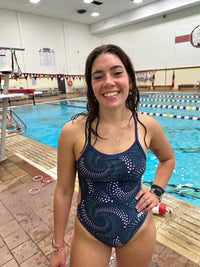
Most teams recommend or require a team swimsuit, so check with your coach before buying. A snug, athletic-style suit helps swimmers move efficiently through the water. Goggles become everyday essentials, and having a reliable backup pair in their swim bag is a lifesaver during practice or meets. Many teams also require a swim cap, often branded with team colors or logos.
Training tools like kickboards, fins, and pull buoys aren’t always mandatory, but they’re commonly used in practice to build technique, strength, and endurance. A durable swim bag keeps everything organized, and personal-care items—like chlorine-removal shampoo or sunscreen for outdoor meets—help keep your young swimmer healthy and comfortable.
Joining a swim team brings more than improved stroke technique. It introduces kids to community, discipline, goal-setting, and a sense of pride. Cheer them on, celebrate their progress, and help keep swimming a positive part of their routine.
Final Tips for a Smooth Start
Whether you’re preparing what babies need for the pool, choosing swim lesson gear for toddlers, or figuring out what kids need for swim team, remember that you don’t need everything on day one. Start with the essentials, build gradually, and follow your child’s comfort and curiosity.
Swimming is a lifelong skill—a gift of confidence, joy, and safety. And no matter where your child begins, you’re right there beside them, guiding their first splash, their first stroke, and maybe even their first ribbon.