Swim Fins

FilterNone
Sort By Featured


Shop Swim Fins at SwimOutlet.com

Shop swim fins and flippers for training, recreational swimming, snorkeling, and bodyboarding — from short training fins that build kick strength and ankle flexibility to long fins for snorkeling and underwater swimming. Our collection includes 600+ pairs from FINIS, Speedo, TYR, Arena, Cressi, Sporti, and Aqua Sphere, with options for kids, adults, swim teams, and competitive racers — starting under $15.

Short Fins vs. Long Fins

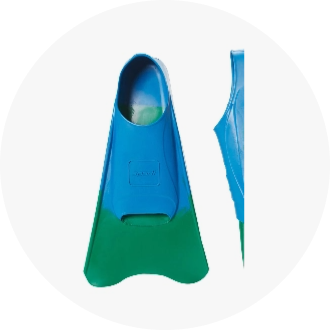
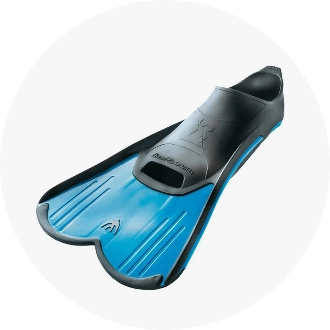
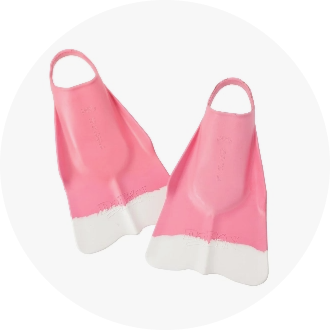
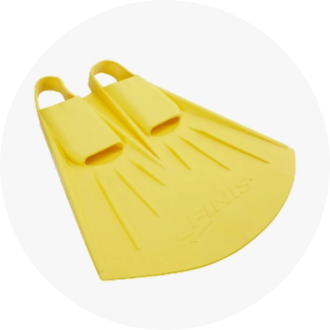
Short fins (also called training fins or Zoomers-style fins) extend just a few inches past your toes — they're the standard for swim team practice and competitive training. They increase resistance for stronger kicks, improve ankle flexibility, and help develop a faster kick tempo without disrupting your stroke rhythm. Long fins extend further past the foot and are designed for snorkeling, freediving, and recreational swimming — they generate more thrust per kick but slow your tempo, making them better for distance than for technique work.

Training Fins for Swim Team & Lap Swimmers

For competitive swimmers and swim teams, short training fins in silicone or rubber are standard equipment for daily practice — they build leg strength, improve body position, and let you focus on stroke technique without losing momentum. Look for fins with a closed-heel pocket that fits snugly around your foot (no slipping during flip turns) and a flexible blade that doesn't strain your ankles. Popular models include FINIS Zoomers (the original short training fin), Arena Powerfin Pro, and TYR Stryker — all designed for daily pool use.

Sizing & Fit for Adults and Kids

Swim fins are sized by US shoe size — most brands use a range like S (5–7), M (7–9), L (9–11), XL (11–13). For the best fit, the heel pocket should grip without pinching, and the foot should sit flat in the blade with no gaps.

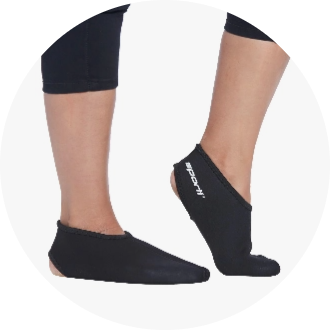
Kids' fins are sized down for smaller feet and use softer, more flexible blades that work with developing leg strength. For training, sizing snug is better than loose — loose fins cause blisters and slip off during turns. Many serious swimmers wear fin socks (neoprene or latex) to prevent rubbing during long sets.

Swim Fins FAQ

What are the best swim fins?

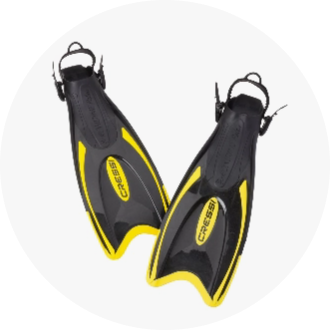
For swim team training, FINIS Zoomers, Arena Powerfin Pro, and TYR Stryker are the most popular short fins — all designed to build kick strength without disrupting stroke tempo. For lap swimmers and triathletes, short floating fins are easiest to use and won't sink if dropped at the wall. For snorkeling and recreational swimming, long open-heel fins from Cressi or Aqua Sphere generate more thrust over distance. The right fin depends on your swimming goal — speed work needs short fins, distance and snorkeling need long.

Is swimming with fins good for you?

Yes — when used correctly. Fins build leg and core strength, improve ankle flexibility (critical for an efficient kick), help maintain proper body position in the water, and let you focus on stroke technique without losing momentum. They're standard equipment in nearly every competitive swim program. The caveat: don't rely on fins for every set. Used too much, they can mask weak kicking and slow your unaided speed development. Most coaches recommend mixing finned and unfinned sets.

How do I choose the right swim fins?

Match the fin to your activity. For swim team practice and stroke work: short training fins (FINIS Zoomers, Arena Powerfin). For triathlon and open water: short floating fins that won't sink. For snorkeling and recreational ocean swimming: long open-heel fins. For bodyboarding: stiff, short bodyboard fins. Then pick the right size — snug heel pocket, no foot gap, and confirm flexibility in the blade matches your kick strength. Beginners and kids should start with softer blades; stronger swimmers can handle stiffer blades.

Do I need fin socks?

Fin socks are optional but highly recommended for daily training. They prevent the heel pocket from rubbing your skin during long sets, reduce blisters from new fins breaking in, and add a thin insulating layer in cooler pools. Latex socks are thin and stretchy; neoprene socks add more warmth. Many swim teams require fin socks as part of standard practice gear. They're inexpensive ($5–15) and dramatically improve comfort during 60+ minute training sessions.

How long do swim fins last?

With regular use (3–5 swims per week) and proper care, training fins last 1–3 years before the heel pocket loses its grip or the blade develops cracks. Silicone fins last longer than rubber. Rinse fins in fresh water after every chlorinated pool swim, store flat (never bent or folded), and keep them out of direct sunlight which degrades the material. Replace fins when the heel pocket no longer holds your foot securely — a slipping fin is a blister waiting to happen.