
Swim Caps

FiltersNone
Sort By Featured


Shop Swim Caps for Training, Competition & Everyday Lap Swimming

Swim caps keep hair back, cut drag, and help goggles seal for lap swimming, racing, and open water. SwimOutlet stocks swimming caps in silicone, latex, lycra, and fabric, with sizes and shapes for long hair, kids, and team training, plus custom printing for clubs.

Swim caps by material: silicone, latex, and lycra

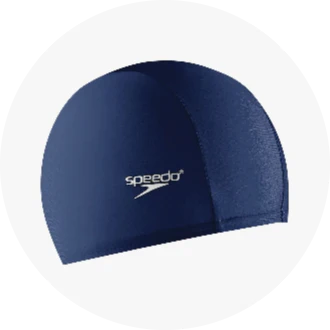
Material decides fit, durability, and feel. Silicone swim caps are the most popular pick, thicker, snug, and longer-lasting, with a smooth surface that slides on without pulling hair. Latex caps are thinner and breathable, a budget option common for team and meet use, though they tear more easily and wear out faster. Lycra and fabric caps sit loosely and prioritize comfort over a watertight fit, which makes them a gentle choice for recreational swimming and aqua classes where speed is not the goal. If you are unsure where to start, silicone is the safe default for most swimmers.

Caps for long hair and a roomier fit

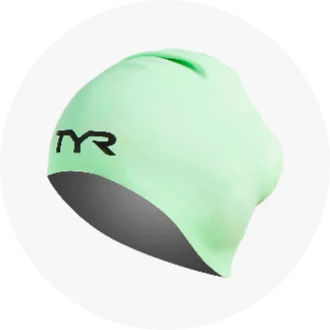
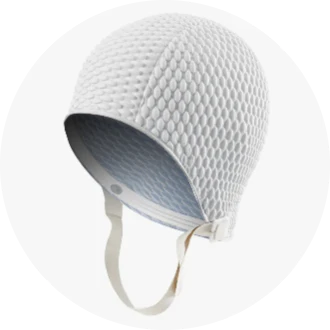
Swimmers with thick or long hair need extra interior space to tuck everything in without strain. Long-hair swim caps use a deeper, domed shape with more room than a standard cap, reducing the pinch at the hairline and helping the cap stay put through flip turns. Look for XL and bubble shapes if a regular cap feels tight across the crown.

Racing, training, and team swim caps

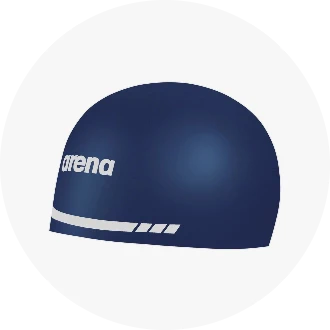
Competitive swimmers favor a smooth silicone shell that reduces drag and seals cleanly around goggles. Racing caps run thinner and more streamlined for speed, while training caps are built to take daily pool use. For clubs and schools, custom swim caps can be printed with team names, logos, and colors, with bulk pricing for full rosters.

Swim caps for women, men, and kids

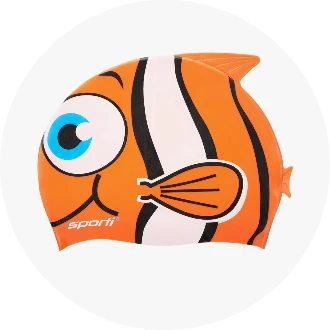
A swim cap is sized by head coverage and hair volume more than by gender, so most adult caps work for women and men alike. Solid colors, brights, and patterned designs are all here. For younger swimmers, kids' swim caps come in smaller shells with easier-stretch materials that go on without fuss for lessons and swim team.

How to choose and care for a swim cap

Pick the material first, then the size and shape for your hair. Silicone suits most swimmers, latex works for budget and team use, and fabric is best for comfort over a tight seal. Wet your hair before putting a cap on to help it slide, and pull from front to back. Rinse the cap in fresh water after each swim and let it dry flat, since chlorine, salt, and sun shorten the life of any cap. Store it away from heat and direct sunlight to keep the material from cracking, and avoid folding silicone caps sharply, which can create weak spots that split over time. With basic care, a quality silicone cap can last for years of regular pool use.

Swim cap questions

What is the difference between a silicone and a latex swim cap?

Silicone caps are thicker, more durable, and gentler on hair, with a snug watertight fit that suits frequent swimmers. Latex caps are thinner, more breathable, and cheaper, which makes them common for teams and one-off meets. Silicone lasts longer and resists tearing, while latex is lighter and more economical in bulk.

Which swim cap is best for long hair?

Choose a cap with extra interior room, such as a long-hair, XL, or bubble-shaped silicone cap. These have a deeper dome that holds thick or long hair without pulling at the hairline. Tuck damp hair back before pulling the cap on from forehead to nape so it sits evenly and stays put.

Do swim caps keep your hair dry?

No cap keeps hair fully dry, but a snug silicone cap greatly reduces how much water gets in. For more protection, wet and condition your hair first, tuck it in fully, and consider layering a fabric cap under a silicone one. The main jobs of a cap are reducing drag and keeping hair out of your face.

How do you put on a swim cap?

Wet your hair so the cap slides instead of sticking. Hold the cap open with both hands, thumbs inside, and place the front against your forehead. Pull it back over your head in one motion, then tuck in any loose hair around the edges. Wetting the cap interior first also makes it easier to put on.